Drug Abuse in Schools: How Districts Can Help
Main Takeaways
- While the COVID-19 pandemic slowed illicit drug and alcohol use in schools, rates of student substance misuse have been steady since 2021.
- School district administrators can play an impactful role by developing and implementing drug education and prevention programs.
- Implementing programs that offer students opportunities for community, bonding, and open conversation is important for lowering the likelihood of drug use.
- Social-emotional learning opportunities provide students with the skills and tools they need to manage stress and make responsible decisions around many issues, including deciding whether to use drugs or alcohol.
Table of Contents
- How Prevalent Is Substance Abuse in Schools?
- What Role Do District Administrators Play?
- Intervention Strategies for an Existing Issue
- Steps to Prevent Drug Abuse in Schools
- Everfi : Your Partner for Turn-Key Health and Wellness Lessons
How Prevalent Is Substance Abuse in Schools?
Substance abuse among students declined significantly in 2021 but has held steady ever since, according to the National Institute on Drug Abuse. While much of this change can be attributed to the COVID-19 pandemic, illicit drug use remained at or below pre-pandemic levels across all grades.
Let’s take a look at some of the figures surrounding substance abuse in schools:
- 50% of teenagers have abused drugs at least once.
- 62% of high school seniors have abused alcohol.
- 21% of eighth graders have tried drugs at least one time.
- 26% of eighth graders have abused alcohol at least once.
The facts are clear: Many students need support when it comes to substance abuse.
Thankfully, there are steps that school districts can take to support students who are struggling.
What Role Do District Administrators Play?
At the district level, administrators can implement a combination of prevention, intervention, and support strategies to help curb issues with drugs and alcohol in schools.
District administrators are in a unique position to create and implement programs that offer lasting change for generations of students, affecting the district at a macro level.
Implementing preventative education programs can help students develop a healthy opposition to drugs.
It’s important to recognize the reasons why many students turn to illicit substances (such as academic pressure, social issues, trouble at home, and mental health issues) and include resources and coping skills as a part of a school’s drug prevention curriculum.
When students know they have options when it comes to managing tough topics, they may be better able to resist peer pressure and make smart choices.
!["[EVERFI] has been a game changer for us, and our main intervention for student infractions." -District Administrator - Irvine Unified School District, CA](/wp-content/uploads/2025/09/Quote_Prevention_Game-Changer-1.webp)
As a district administrator, keeping an open line of communication with teachers, parents, counselors, and students can help you develop a drug prevention program that works.
Administrators can also develop staff training programs that helps teachers and counselors identify signs of drug use and how to intervene when necessary. This training can work in tandem with updating the district’s policies on drug use.
While punitive measures can set a zero-tolerance tone, it’s important for policies to also offer access to counseling, therapy, and support groups.
This way, when school staff members see that a student is struggling, they’re able to get them the help they need.
Intervention Strategies for an Existing Issue
While preventative measures are key for slowing the growth of a substance use issue in schools, it’s also important to take steps to address existing issues. Let’s take a look at some of the interventions district administrators can implement in schools to help students who are currently struggling with drug and alcohol abuse.
- Wellness teams: Creating a non-disciplinary wellness team in each school can utilize the myriad resources of your staff. Including teachers, counselors, coaches, parents, and staff members can maximize the district’s ability to reach students.
- Family education programs: Educating families on ways they can recognize and discuss substance abuse issues with their children can help create at-home support to bolster school-wide intervention efforts.
- Restorative practices: Sometimes, students are afraid to come forward and say that they’re struggling with drugs and/or alcohol out of fear of retaliation. Implementing restorative practices can help to both correct behavior and create a positive school culture in which students feel comfortable asking for help.
- Support systems: Offering a wide range of support systems — such as counseling services, partnerships with outside organizations, faculty advisors, life skills training, after-school programs, and peer mentorship programs — can help create a strong sense of inclusion and belonging for students who need help to stop using drugs and/or alcohol.

Steps to Prevent Drug Abuse in Schools
Thankfully, there are many ways to prevent drug abuse in schools. Prevention efforts are key even when many students in a school are already struggling with a drug or alcohol issue, as early prevention can stop a new generation of students from substance misuse.
1. Knowledge Is Power. Offer Scientifically Accurate Information.
Preventing drug abuse in your district’s schools can start with offering accurate, up-to-date information to staff and students. Some educators still think that talking about drugs will encourage students to experiment, but that isn’t the case.
Keeping an open dialogue can help students reach out for help when they need it and can help them learn the warning signs that a friend may be struggling.
In addition to providing signs on how to know if a friend may be struggling with a drug or alcohol problem, providing students with factual knowledge on both the short- and long-term effects of drugs can help deter them from using.
Talking about addiction pathways in the brain can help students understand the concept of chasing the first high, which can help turn them away from experimenting.
Implementing drug prevention programs as a standalone part of the curriculum can be effective, but in some cases, difficult due to the constraints of school district budgets. Thankfully, programs that are implemented as a part of an existing health and wellness curriculum have proven effective.
A study in New York City public schools showed that teens who engaged in comprehensive, age-appropriate drug education classes gained knowledge about illicit substances and were less likely to try drugs.
Thousands of schools in New York and across the country are providing students scientifically accurate information via scenario-based learning thanks to Everfi’s free suite of prevention resources covering topics such as:
- Vaping
- Alcohol
- Prescription drug safety
- Mental wellness

The impact of Everfi’s no-cost prevention resources has been significant.
For example, schools that used Everfi’s Prevention Drug Safety program last year:
- Experienced average learning gains of 32%
- Had 14% more students report confidence in their ability to help someone who shows signs of misusing prescription drugs
- Had 17% more students agree that it’s their responsibility to help prevent prevention drug misuse at their school
2. Incorporate Age-Appropriate Social-Emotional Learning
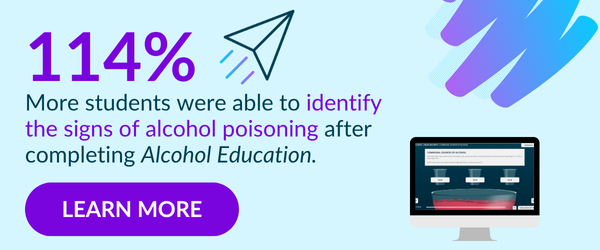
Social-emotional learning, or SEL, can be a valuable way to prevent substance abuse in schools. Everfi’s free SEL programs teach students responsible decision-making, relationship skills, social awareness, and self-management.
SEL classes are often a safe space for students to discuss social and relational issues.
Providing SEL educators with specialized training around substance misuse can provide them with the tools they need to effectively reach at-risk students.
In addition to teaching students valuable self-management skills, SEL classes can also help students explore the resources available to them in their school and community.
Forging partnerships with community programs that encourage mentorship (such as Big Brothers Big Sisters), self-esteem building (such as Girls on the Run), and leadership (like Youth MOVE) can help students utilize their local resources rather than turn to substance abuse in times of stress.
No two schools are the same, and it’s important to tailor SEL curricula to meet the unique needs of your district.
Meeting regularly with SEL educators can help you understand the changing needs of the student community and inform future drug and alcohol abuse prevention programming.
If you’re interested in learning more about how districts across the nation are building more self-aware and resilient students, you should read Everfi’s National Report on Mental Wellness Education.
3. Encourage and Celebrate Your School Community
Research shows that promoting a commitment and bonding with the school community lessens the likelihood of substance misuse. Creating positive, uplifting school communities that offer an array of opportunities for students to engage with like-minded peers can help students adopt a school’s standards of behavior.
The Social Development Strategy (SDS) is an effective, easy-to-use framework that school districts can implement to lessen the likelihood of substance abuse in schools.
The SDS model has identified five factors that contribute to the long-term health and success of children:
- Opportunity: Offer students age-appropriate opportunities for active participation and meaningful interaction within their communities.
- Skills: Teach students the social and communication skills they’ll need to succeed in school and beyond.
- Recognition: Regularly offer both public and personal praise for achievement, effort, and improvement.
- Bonding: Provide students with the chance to get to know teachers, coaches, and other trusted adults who can provide social guidance.
- Clear standards for behavior: Provide clear-cut lines for desired and undesired behaviors to ensure students can make informed decisions when faced with difficult choices.
In addition to implementing the SDS model, offering community events can provide a relaxed way for students to bond with friends, staff, and parents outside the classroom. Parent breakfasts, weekend carnivals, and even staff attendance at athletic events can all help to create a sense of engagement and positivity in the school community.
If you’re interested in learning more about how districts across the nation are creating a comprehensive approach to prevention education, you should read Everfi’s National Report on Prevention Education.
Everfi: Your Partner in Prevention Education
At Everfi, we’re here as your dedicated prevention education partner. We’ve been providing districts with free resources and support for over 15 years.
In fact, over 2.5 million students have enrolled in at least one of Everfi’s 40+ life skills resources so far this school year.
Administrators and teachers alike use Everfi year-after-year because all our resources are:
- 100% free of charge
- Aligned to state and national standards
- Turnkey and engaging
Everfi also provides districts with free services like:
- 24/7 technical support
- Professional development
- Curriculum alignment
- Data analysis and more
Reach out to us today to learn how Everfi can assist your district with free resources, alignment, professional development, and 24/7 support.
![To say I have been pleased with the EVERFI team is an understatement. We are appreciative of the standards-based curriculum modules, the ease of [of use], and the aspect of them being self-graded. -Michele Pacheco, District Admin - Fresno Unified School District, CA](/wp-content/uploads/2025/10/banner-quote-michele-pacheco.webp)
Amanda Berkey is a Pennsylvania-based writer and reporter with an M.S.Ed. in School and Mental Health Counseling. With 17 years of experience in education, she has taken on diverse roles in teaching, coaching, and administration.

Free for All School Districts
Thanks to partners, we provide our digital platform, training, and support at no cost.
See why 3 out of 5 districts partner with Everfi.