3 Tips for Teaching Black History in Middle and High School
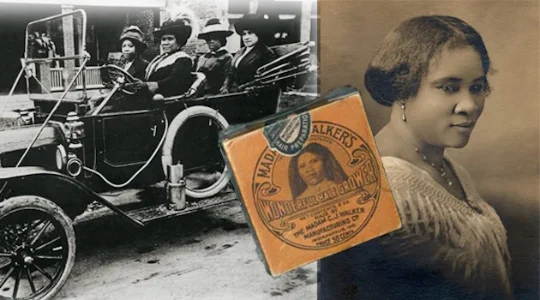
Teaching Black History in middle and high school comes with both responsibility and opportunity. Students are ready to ask deeper questions, challenge what they think they know, and connect the past to the world they see today.
But finding the right materials and approaches can feel overwhelming, especially when time and money are limited.
Read on to get three tips designed to help you teach Black History in a way that is accurate, engaging, and meaningful for your students.
1. Vet the Content in Your Black History Curriculum
How many times have you scrolled Facebook or Instagram and seen something re-shared on your timeline that you know is inaccurate? It’s incredibly common.
A study from MIT revealed that misinformation traveled 6 times faster than accurate information.
With how fast news spreads today, it is so important to vet Black History lesson plans and content you are using with your students AND teach your students how to analyze what is truthful information vs. what is not.
Vetting Black History curriculum helps ensure students are learning from accurate, credible, and classroom‑appropriate materials.
Here are four ways to vet curriculum:
- Examine the source’s origin, purpose, and perspective. Look at who created the material, when it was produced, and why—these details provide important context for understanding reliability and intent.
- Prioritize primary sources and corroborate with multiple texts. Pair firsthand accounts with additional sources so students see more than one perspective and avoid treating a single narrative as definitive.
- Check alignment to recognized K–12 standards and frameworks. Standards‑aligned resources are more likely to support inquiry, evidence evaluation, and grade‑appropriate learning goals.
- Use materials from trusted education organizations. Institutions like the Library of Congress and Stanford History Education Group offer educator‑reviewed resources designed specifically for classroom use.
Looking for free resources that meet these requirements? Everfi provides teachers with two digital resources to teach Black History: 306 – African American History and 306 – Continuing the Story.
2. Multimedia is Possible
Youtube, Instagram, Tik-Tok, Google Chat, games, you name it—students know about it. With all of these new avenues to connect and learn more, students no longer have to learn about Black history through dry textbooks!
Instead, they can watch, listen, and learn through engaging, interactive online formats. Leveraging a variety of media platforms to teach Black history in school year-round is one way to really emphasize to students that a lot of what we see in history books didn’t happen hundreds of years ago, it happened when their grandparents and great-grandparents were alive.
Multimedia gives them the opportunity to explore digital activism avenues and dive deeper into topics after they are covered in class.
Everfi’s free Black History Toolkit enables educators to engage students in a variety of ways via:
- 16 hours of turnkey lessons
- 8 virtual field trips
- Daily activity calendars
- On-demand professional learning and more

3. Embrace the Anonymity of Online Activities
One of the biggest critiques of online activities is the anonymity of it; the ability to hide behind a screen. While generally, this can be a negative thing, use it to your advantage while teaching Black History to get a baseline of understanding from your students.
As part of your Black History curriculum, provide an anonymous online survey that measures their understanding of basic concepts around identity, privilege, and oppression.
In addition, ask them what THEY would like to learn about Black History. It could be a specific event they’ve heard about or diving deeper into a topic that has been covered in the past.
Empower high school and middle school students to take control of their own Black History education.
Bring Black History to Life with Free, Turnkey Resources
Teaching Black history in middle and high school is most impactful when students engage with accurate sources, meaningful questions, and learning experiences that connect past and present.
With thoughtful planning and the right tools, educators can move beyond surface‑level coverage and create lessons that encourage critical thinking, discussion, and reflection.
Small shifts in approach—like vetting materials carefully and using interactive formats—can make a lasting difference for students.
Everfi’s free Black History resources are designed to support this work with standards‑aligned, classroom‑ready lessons educators can use right away.
These resources help bring historical content to life while supporting inquiry, media literacy, and student voice. Explore Everfi’s Black History curriculum to find tools that fit your classroom goals and help students build a deeper understanding of American history.

Caitlin Gayles is the former Manager of DEI Programs at Everfi. Equity and inclusion is the common thread throughout Caitlin’s career. Prior to Everfi, Caitlin was a manager at the U.S. Chamber of Commerce’s Institute for Organization Management where she worked with subject matter experts to develop a course on the impact of DEI in the business world. Caitlin graduated from The George Washington University with a Master’s Degree in Education and Human Development and from Christopher Newport University with a degree in Communication Studies. Regardless of the space, Caitlin believes in advancing equity and access and creating inclusive spaces for all.