Teaching Black History in Schools and Why It Is So Important
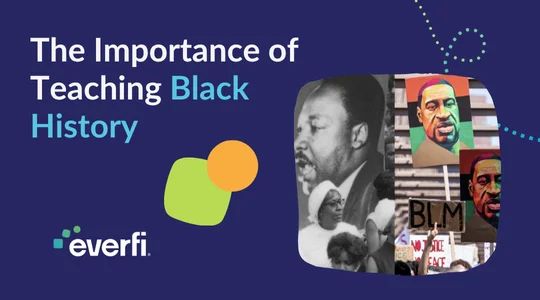
As American education moves into the future, many have recognized flaws in the way subjects have been taught over the decades, with educators endeavoring to improve curriculum amid a changing world and political pressures. Black history is one topic that has been notoriously overlooked in a traditional curriculum.
Da’Taeveyon Daniels, deputy executive director of Students Engaged in Advancing Texas, summarizes these challenges when he says, “When the lessons of history are erased from curricula … then we are essentially on a negative trajectory.”
Negative consequences include the erasure of numerous benefits to students, but there are ways for teachers to incorporate Black history into their classrooms meaningfully.
Main Takeaways
- Educators are working to provide students with a comprehensive understanding of Black American’s contributions.
- Teaching Black history offers many benefits to students including providing .students with a more complete & accurate understanding of American history.
- There are numerous ways for educators to include Black history in their classroom activities.
- Everfi offers free resources to support teachers in their efforts to engage students in Black history topics.
Table of Contents
- Black History Has Been Underrepresented in U.S. Schools
- Benefits of Teaching Black History in Schools
- Black History Lesson Plans & Classroom Activities
- Tips for Teachers to Keep Black History Lessons Engaging & Impactful
- Explore Everfi’s Free Resources for Teachers to Make Black History Lessons More Engaging

How Black History Has Been Underrepresented in U.S. Schools
Black history has long been underrepresented in U.S. school curricula. This oversight is rooted in a legacy of systemic inequality, with limited inclusion of Black contributions and experiences dating back to the post-Civil War era and continuing through the 20th century. While progress has been made toward social and legal equality, the education system has not fully reflected that change, and the teaching of Black history remains inconsistent and insufficient across many schools.
In many instances, the historical experiences and contributions of African Americans have been marginalized or deemed less relevant, leading to certain events and perspectives being brushed aside. When Black history is included in classroom instruction, it has often been limited to topics like slavery, the Civil Rights Movement, and a few prominent figures such as Martin Luther King Jr. While this is beginning to change in some districts, the broader integration of Black history and perspectives throughout the full scope of U.S. history remains inconsistent.
While many teachers are actively working to improve their teaching of Black history, access to formal training and comprehensive resources on the subject can be limited in many school systems. In addition, educators throughout the country are seriously limited in the time they have to incorporate required curriculum topics into their student lessons. Even teachers who go above and beyond to include all perspectives may face these constraints.
Benefits of Teaching Black History in Schools
Why teach Black history in schools? Incorporating Black history into the American classroom is not only the “meaningful” thing to do in order to promote equality, but it also offers several benefits to students and their education, now and in the future.
Teaching Black History:
- Fosters empathy
- Helps create a more complete and accurate narrative of American history
- Reduces gaps in historical knowledge
- Supports students’ identity and self-esteem
- Increases classroom engagement
- Contributes to a more equitable society.
Inclusive History Teaches Empathy
History plays an important role in helping students develop empathy and understanding for others. Learning about historical figures allows students to consider what it might have been like to be involved in certain historical situations and how they themselves might feel if something similar happened to them.
When teaching Black history in schools, skills can then be transferred to help students better understand and relate to people in their own lives. Students of all races and backgrounds benefit from learning about different cultural perspectives in this way. Learning about new historical perspectives—such as the Black experience—can:
- Challenge both conscious and unconscious biases
- Confront harmful stereotypes
- Encourage students to reflect on their own beliefs and attitudes
Multiple Perspectives Help Create a Complete Narrative
When teachers include African American perspectives alongside other historical topics that have traditionally centered dominant narratives, students build a more inclusive understanding of history that considers voices beyond those of the majority.
By learning how historical events affected different communities, students develop the ability to recognize inequality, question dominant narratives, and apply that understanding to current social issues and decisions in their own lives.
Fewer Gaps for All Students
Failing to consider Black contributions, sufferings, and perspectives within the context of a U.S. history curriculum leaves students with an incomplete picture of their country’s background and the development of its future.
When Black history is included in history lessons, students get the full scope of what American history truly includes and what events the country was built upon. This includes not only a more complete understanding of certain events, but encompasses new information that might otherwise be overlooked, such as innovation, resistance to oppression and its results, and systemic inequality.
A fuller picture allows students to recognize why and how certain cultural, political, and societal norms were developed and how these standards might need to or continue to evolve as the country moves into the future.
Supporting Student Self-Esteem
Representation isn’t just important to children in terms of toys and movie characters. When students recognize themselves in history, this representation engages them and promotes the development of self-identity and self-esteem.
When Black students see their history as relevant and important to all, it can affirm these tenets of self-worth. Learners feel validated when they see representations of themselves around them, including in the curriculum.
Students of other races benefit as well, as learning about Black history helps grow students’ understanding of what it means to be an American, past and present, weaving together the experiences of all American citizens, not just highlighting the stories of certain ones.
Diverse Stories Improve Student Engagement
Together with self-esteem, representation can help improve student engagement.
When learners feel a personal connection to the material in Black history lesson plans, they are more engaged in their studies. In addition to engaging students more strongly in their learning experience, exposing students to diverse perspectives can interest them in engaging with this knowledge in other ways, such as addressing injustice on all scales or becoming involved in advocacy activities in their communities.
Building a Better Future
Developing well-rounded students who have a complete understanding of social, political, and global issues promotes a future in which society is not only more equitable, but also more educated. Students gain historical context and cultural awareness that can inform their civic engagement, career choices, and interpersonal relationships, resulting in a meaningful long-term impact.
When students are exposed to Black history, they walk away with an understanding that multiple perspectives make up a thorough picture of history and that multiple viewpoints are necessary for a united future. They can use these skills as a tool to tackle the social challenges of their generation.
Black History Lesson Plan Ideas & Classroom Activities
Incorporating Black history into the classroom doesn’t have to be overwhelming, even if you are starting from scratch. Remember, Black history lesson plans don’t need to be limited to social studies instruction!
Here are some ideas that are easy to incorporate at all levels:
Elementary School
- Storytelling & discussion: Include books by Black authors in read-alouds and independent reading times. Discuss the overarching themes of these stories and how they relate to historical topics that students may be exploring. Some suggested titles: Mae Among the Stars by Roda Ahmed, Follow the Drinking Gourd by Jeanette Winter, and I Am Enough by Grace Byers.
- Art appreciation: Introduce students to African American artists such as Faith Ringgold and Jacob Lawrence. Inspire students to create art in similar styles. To further extend this activity, students can write about what their pieces represent.
- Justice lessons: Introduce students to discussions about equality by discussing their perceptions of fairness and how they share similar ideas while promoting empathy. Propose scenarios such as “What if only children with sweatshirts on could use the crayons?” or “How would you feel if only the girls could use the swings at recess?” Relate these feelings with introductions to Civil Rights figures such as Rosa Parks.
Middle School
- Challenge comparisons: Engage students in comparative history activities, using primary sources that include Black voices to examine how certain historical events impacted varying perspectives in history.
- Biographies: In this Black history lesson plan, challenge students to locate an impactful Black history figure beyond those commonly studied and complete a biographical project on that person, their experiences, and their contributions. The format of this project can vary widely and be adapted to student needs, including reports, slideshows, and more.
- Perspective writing: Encourage students to explore empathy and critical thinking by writing a diary entry, letter, or short speech from the perspective of a historical Black figure or community member during a specific event. Use research-based prompts to guide accuracy and understanding.
High School
- Film study: Watch films or excerpts together from films that center on the Black experience, and discuss how they relate to U.S. history topics. Alternately, examine films from various periods in history (i.e., Birth of a Nation, Gone With the Wind), and discuss how Black voices contributed to and/or were overlooked within the film. What attitudes do these movies represent?
- Community engagement and community service: Encourage students to create a service learning project that incorporates Black history learning relevant to the local community. Students can present their project proposals and/or completed projects.
- Debate: Debates are often a popular classroom activity. Choosing topics related to Black history—both past and present—encourages students to think critically about complex issues, especially when they’re asked to argue from a perspective different from their own. This approach challenges assumptions, broadens understanding, and helps students engage more deeply with historical and contemporary topics.
Tips for Teachers to Keep Black History Lessons Engaging and Impactful
Because Black history reflects both historical struggles and enduring contributions, it’s important to teach it in a thoughtful, meaningful way that connects with students and highlights its ongoing relevance in today’s world.
Here are some tips for keeping students engaged in Black history lesson plans while ensuring they are taught in a thoughtful way:
- Don’t limit it to Black History Month: Black history should be incorporated into lessons throughout the year, not taught as a separate topic within history. Teach Black history in schools all year long!
- Incorporate it into multiple subjects: Black history doesn’t have to be limited to social studies lessons. Black contributions to writing, reading, science, and more should be added to other areas of the curriculum. Ms. Schroeder, a middle school teacher from Avon, New York, was happy with the results of using Everfi’s free 306 Black history lessons in her non-history classes: “These lessons touch upon topics and historical facts that are often ignored or glossed over. I used this program in my Career & Financial Management Class to make well-educated decisions in their [students’] careers and future businesses.”
- Broaden the classroom library: Make sure students have access to diverse free-reading books, magazines, and other forms of media within the classroom.
- Involve the students: Be open to ideas from students about topics that feel important to them and their education. Let them take the lead in selecting certain activities or topics to explore.
Explore Everfi’s Free Resources for Teachers to Make Black History Lessons More Engaging
Everfi has some incredible resources for educators looking to improve teaching Black history in schools within their classroom and engage their students in these lessons. They even have a free Black history toolkit available to teachers! Digital courses are available at varying grade levels, along with in-person lesson plans that explore Black history and help teachers and students develop the framework they need to propel their learning to the next level. Mr. Strine, a teacher from Pennsylvania, found Everfi’s lessons to be “… a genuine approach to teaching reality that still exists for Black Americans and not simply highlighting the accomplishments of a small number of Black citizens historically, as many educators do when teaching Black history.”

Free for K-12 Educators
Thanks to partners, we provide our digital platform, training, and support at no cost.
See why 21K schools use Everfi.
Get Access to 306: Black History and 306: Black History – Continuing the Story