What Is Social Emotional Learning (SEL) and Why Is It So Important?

The Definition of Social Emotional Learning
The Committee for Children defines social emotional learning as “the process of developing the self-awareness, self-control, and interpersonal skills that are vital for school, work, and life success.”
What is SEL in Education?
Social emotional learning is at the heart of good teaching. When students are taught emotional regulation skills, practice self-awareness, and maintain healthy relationships, they excel in all areas of life.
Why is Social Emotional Learning Important?
The importance of social emotional learning goes beyond the classroom. Social emotional learning skills, like self-discipline, emotion management, self-awareness, and responsible decision making, help people face everyday challenges in their academic, professional, and social lives.
What are the Benefits of Social Emotional Learning?
Students benefit from social emotional learning strategies in a myriad of ways – according to Edutopia, social emotional learning “improves achievement by an average of 11 percentile points” and “increases prosocial behaviors, improves student attitudes toward school, and reduces depression and stress.” A 2018 report by the Aspen Institute’s National Commission on Social, Emotional and Academic Development found that social emotional learning improves academic performance.
What Does Social Emotional Learning in Schools Currently Look Like?
Our country has come a long way in valuing social emotional learning. The Aspen Institute’s report called the United States a “nation at hope” that better understands how social and emotional development contributes to learning and to children’s later success as adults. Teaching social emotional learning skills in schools is more important now than ever, as today’s students face challenge after challenge from distractions in and out of the classroom. From the pressure to do well academically to mental health issues – the challenges are endless.
The Collaborative for Academic, Social, and Emotional Learning (CASEL) is an organization that has been working for more than two decades to encourage schools to recognize the importance of teaching the fundamentals of social emotional learning as a foundational part of their curriculum – and schools are listening Since 2016 with assistance from CASEL, many states including California and Tennessee, have begun to focus much of their efforts on bringing social emotional learning into their schools. And other states have also begun to explore social emotional learning since the Every Student Succeeds Act was passed in 2015, emphasizing “non-academic concepts and ‘whole child’ issues,” according to Education Week.
What Should a Social Emotional Learning Curriculum Include?
Social emotional learning curriculum should focus on whole-child learning and consist of teaching such important life skills as
- understanding emotions
- building emotional regulation skills
- communicating effectively
- resolving conflicts
- establishing coping strategies and seeking help
- practicing mindfulness
- and understanding the importance of practicing empathy
While the list goes on and can be overwhelming at times, Everfi has extensive resources to help you add social emotional activities and a social thinking curriculum to your classroom.
Everfi Is Here to Help You Incorporate SEL in Your School
Everfi knows that SEL is important to student and teacher success. Our social emotional learning curriculum is designed to equip educators with the tools necessary to nurture SEL skills, like compassion, leadership, conflict resolution, self-awareness, emotional regulation, and resilience. If you have social emotional learning standards to comply with, we can help guide you toward a solution.
The following SEL courses are designed to help you get started with teaching social emotional learning.
Social Emotional Learning Curriculum for Elementary Students
The Compassion Project
Designed for students in grades 2 to 5, The Compassion Project promotes compassion education and helps educators facilitate lessons on fundamental SEL skills, like understanding and practicing compassion and empathy.
Social Emotional Learning Curriculum for Middle and High School Students
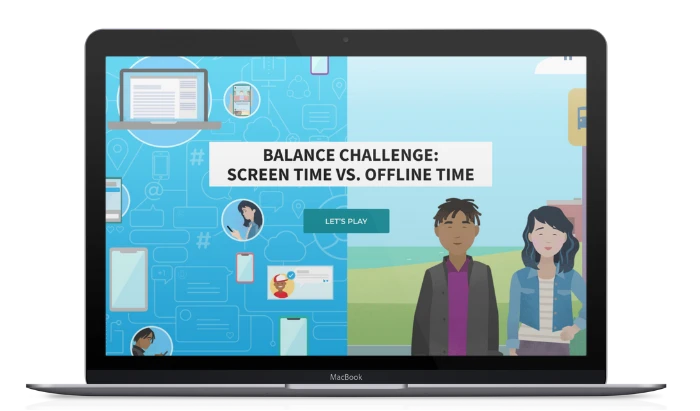
Ignition: Digital Wellness & Safety
Built for grades 6 to 9, Ignition provides students with the information they need through real life scenarios to safely and confidently navigate the digital world. In addition to protecting their data, identifying cyber threats, and securing their privacy, students learn how to deal with cyberbullying and social comparison while learning why offline time is vital to maintaining their mental health.
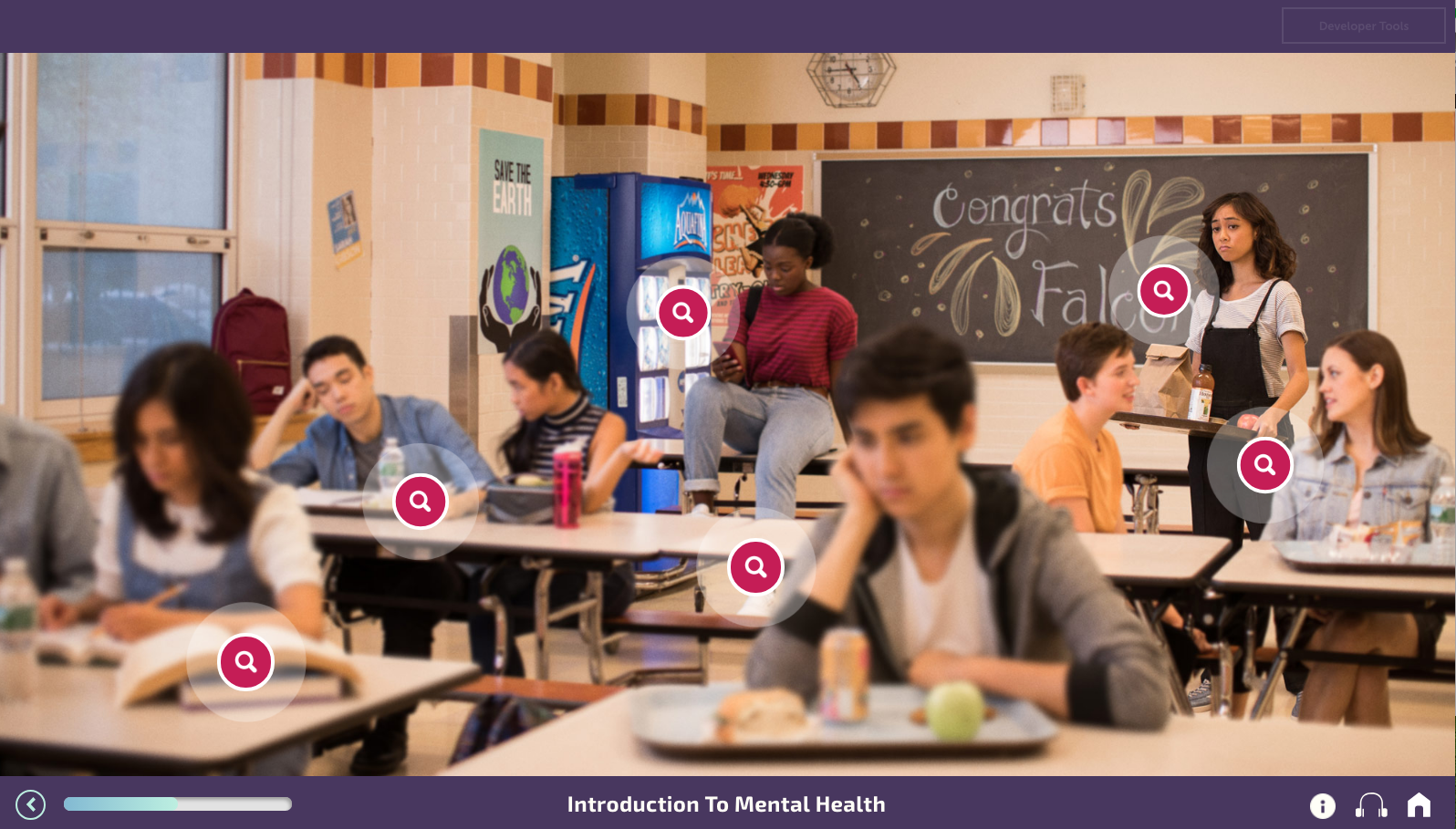
Understanding Mental Wellness
Mental health education is critical as more and more students are suffering from anxiety and depression. This course introduces middle and high school students to the skills needed to build and maintain positive mental health. By the end of this evidence-based course, the negative stigma around speaking about mental health will be reduced and students’ emotional regulation skills will be increased.
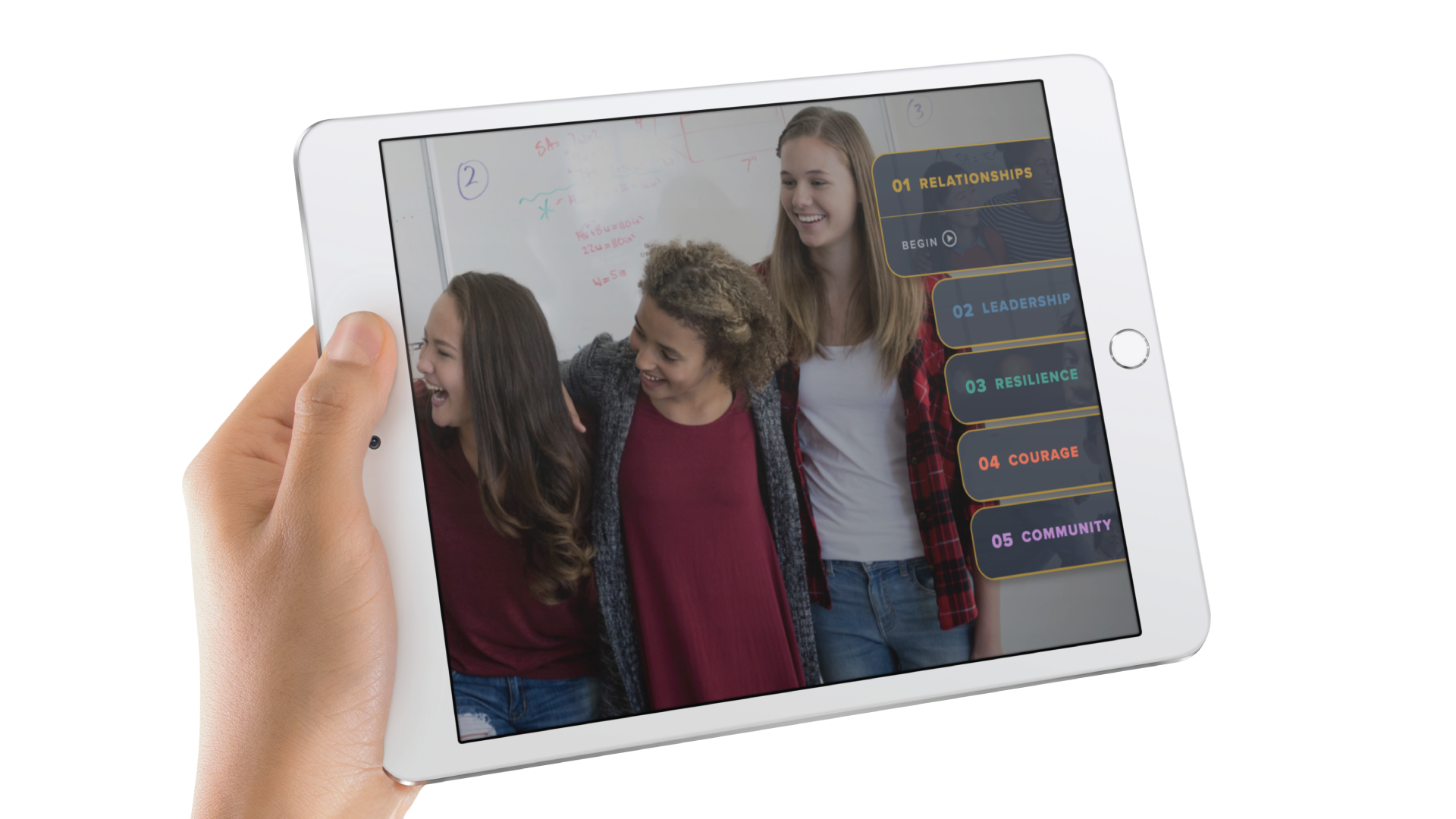
Honor Code
A positive school environment leads to academic success. Honor Code empowers students in grades 8 to 10 to become leaders in their school in order to create lasting, positive change that leads to less bullying and more cooperation among peer groups.
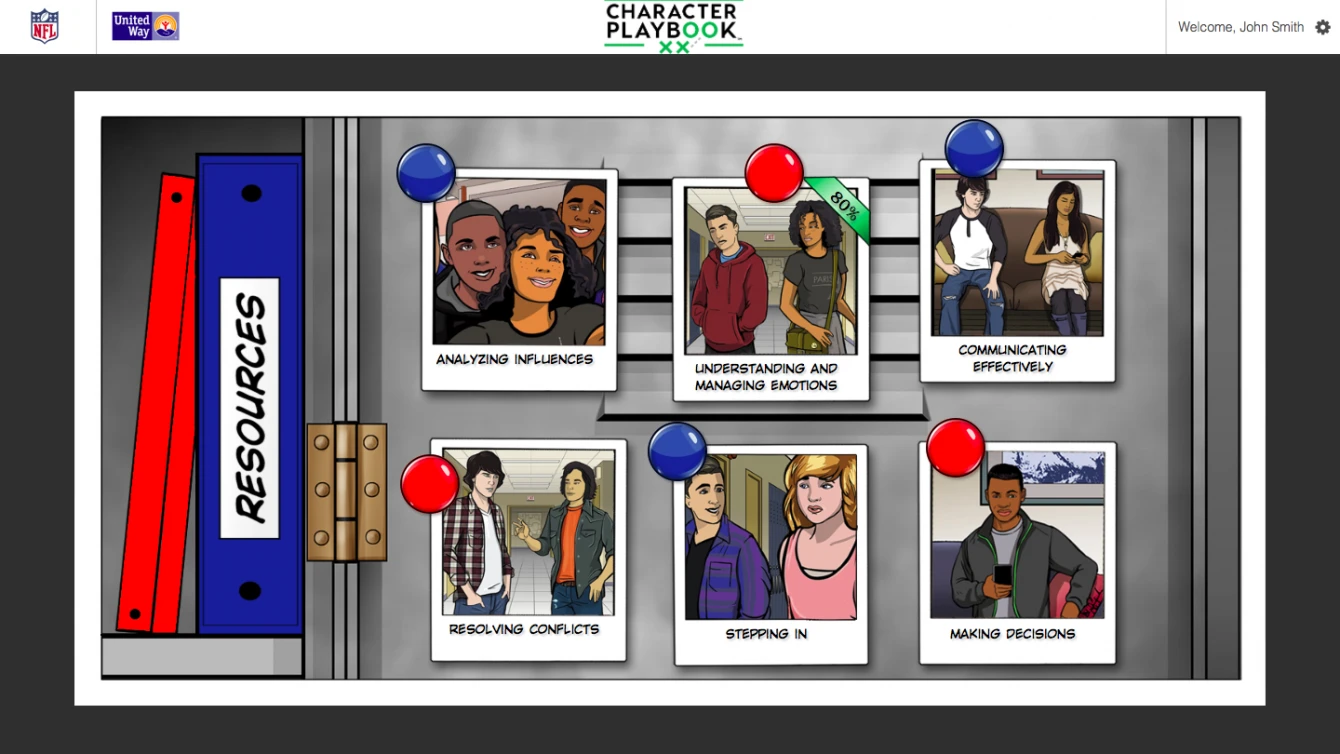
Character Playbook
This scenario-based character education program uses engaging social emotional learning activities to educate students on cultivating and maintaining healthy relationships. Throughout Character Playbook, students learn how to identify and regulate their emotions, communicate effectively and step-in to solve conflict peacefully.
Sign up today for your free teacher account to access the lessons.
Explore these mental wellness resources for your classroom.